HairArchitect · Blog
After Surgery: Graft Survival, PRP, and Recovery Photos
First-week graft care, optional PRP, and photo uploads some clinics use—what helps and what is oversold.
Published · Updated
Written by HairArchitect Editorial Team · Planning & education content
TL;DR
Day 1–3 after surgery set graft survival. Follow your clinic sheet on sleep angle, washing, and activity. Optional PRP or photo uploads do not replace that sheet.
Recovery forums fill up on day 4 with crusting panic posts. Most of that is normal if you follow the wash plan. The basics still win: sleep elevated, touch grafts gently, skip gym until cleared. PRP and exosome add-ons vary by clinic. Photo portals are triage, not a substitute for nurse calls.
PRP and exosomes at some clinics
PRP and exosome sessions are optional add-ons at some clinics. They may help blood flow around new grafts. Evidence is mixed on how much they change downtime. Ask what your surgeon offers and which papers they trust—not what a promo video claims.
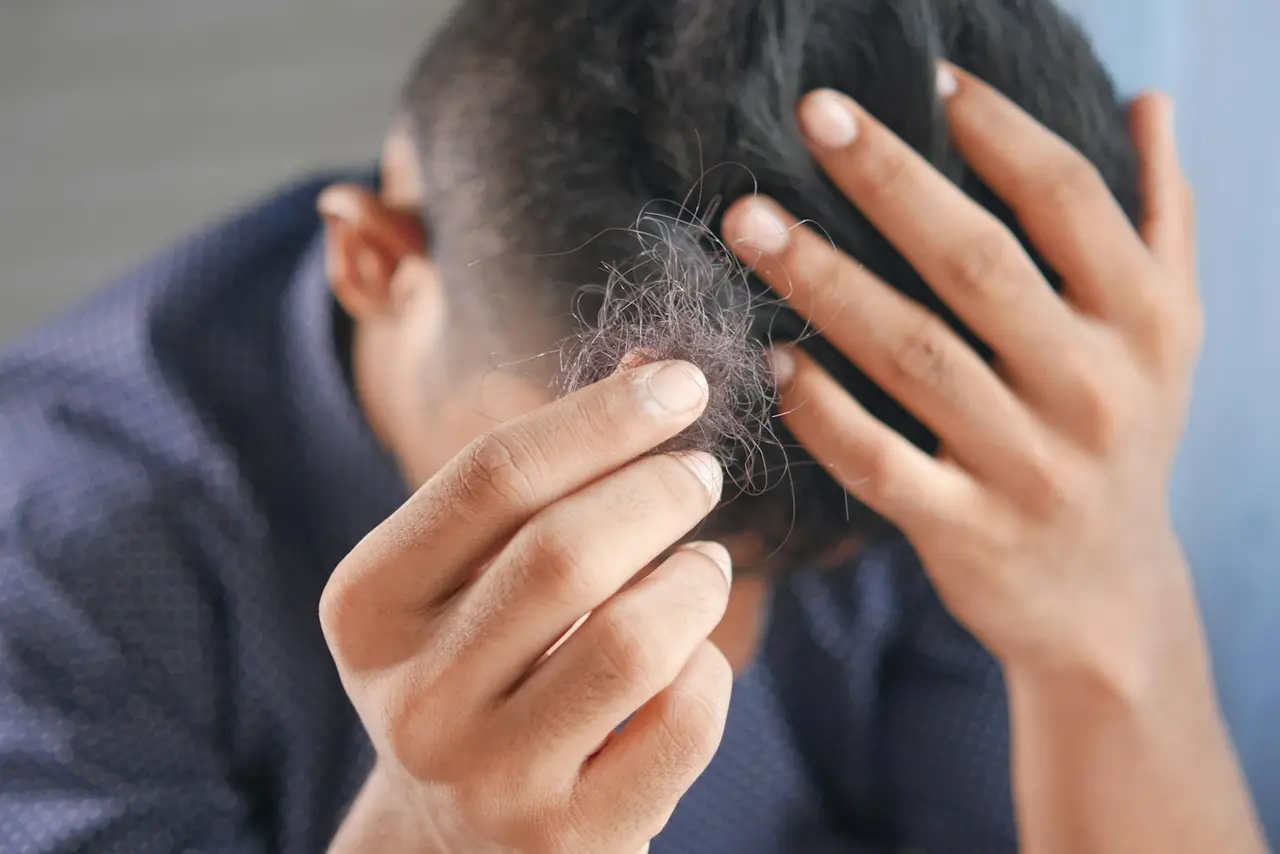
Shock loss after transplant is common and usually temporary. New growth timing varies by person and technique. (PubMed — Shedding after hair restoration surgery)
Digital planning tools can set expectations. Extraction and implantation still need qualified medical professionals. (ISHRS — Hair Transplant Guide for Patients)
Photo uploads some clinics use
Some clinics ask for daily scalp photos through a portal. Staff flag redness or heavy crusting and call you in early. That is triage support. It does not replace washing on schedule or sleeping at the angle they gave you.
When will I see growth after a transplant?
Expect shedding first. Many people see early new hairs around months 3–6. Full maturation often takes 12–18 months. Your timeline will not match a forum post exactly.